Until this week, export controls on AI models were a theoretical problem for me
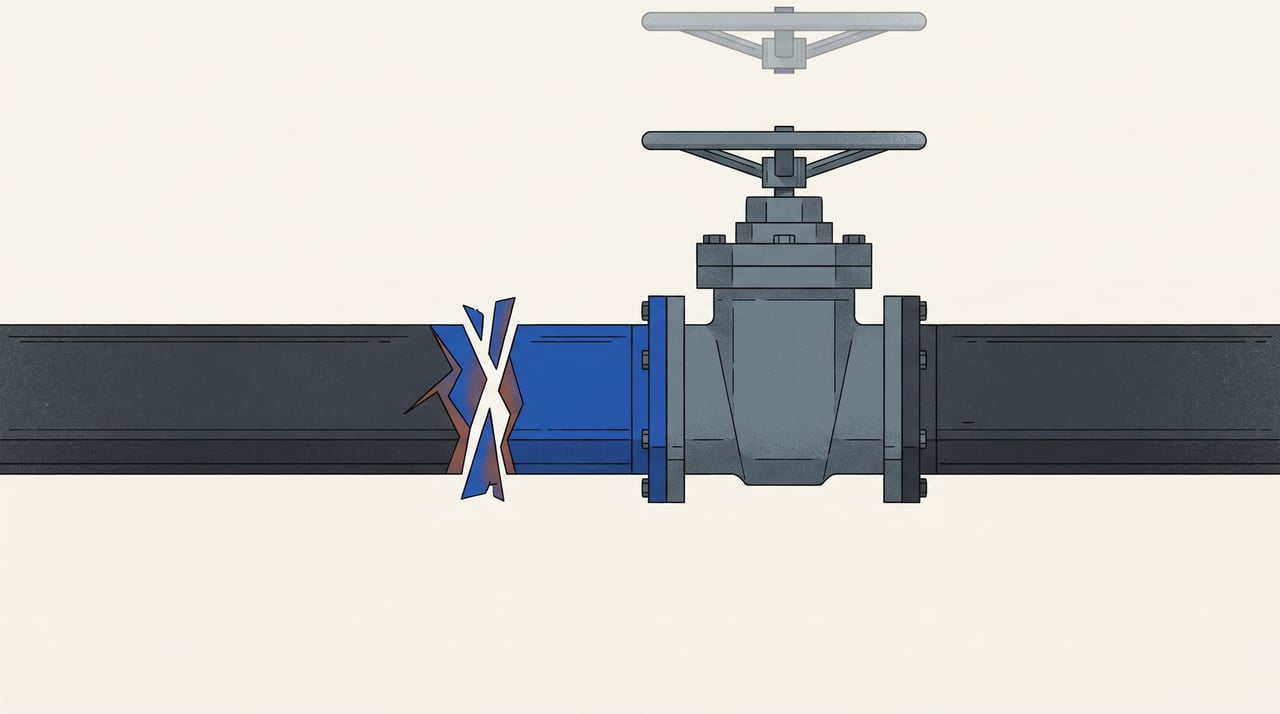
Anthropic and OpenAI are arriving at the NATO summit just as Europe is being told, again, to wait. The immediate trigger is the US government blocking Anthropic from exporting its Mythos and Fable models—on 90 minutes’ notice—on national security grounds. Europe didn’t see this coming at the operational level, and now AI access is a full-blown security topic on the summit agenda instead of a trade item.
I don’t use Mythos or Fable. I use Claude through the API and Claude Code, because that’s what makes my work fast. The models that run my everyday development are not the ones being restricted—yet. But the speed and unilateral nature of the decision change the calculation. The US just demonstrated it can reach into a company and shut off foreign access with no warning, and that turns AI model access into a political variable, not an infrastructure constant.
I wrote about the adoption gap—the split between developers who work with agentic loops and those who don’t. That gap is about tooling and mindset. This is different. This is a hard access gap that could open up overnight. If the US decides a model is too capable to export, a developer in the Achterhoek is as cut-off as a government agency. The same API calls that worked on Monday might stop resolving on Wednesday, and there’s no local fallback.
What’s interesting is that the summit isn’t treating this as a temporary spat. It’s being framed as the EU’s wake-up call to build sovereign AI capacity. I’ve heard that before, usually paired with a long timeline and a press release. The real question is whether this moment produces something faster than procurement documents. Because from where I sit, I don’t want my stack to be dependent on an export license that can be revoked on a 90-minute timer. If Europe just says “wait” to itself this time, I’ll be the one waiting—and shipping less.